Going Slow
Going slow is simply not my style. A former supervisor once described me by quoting lyrics from “Traffic Jam,” a James Taylor song: “It hurts my motor to go so slow.” Yes, it does.
But going slow has been a requirement during the past month as I have been recovering from surgery. Going slow will continue to be essential for at least two more weeks. Sigh.
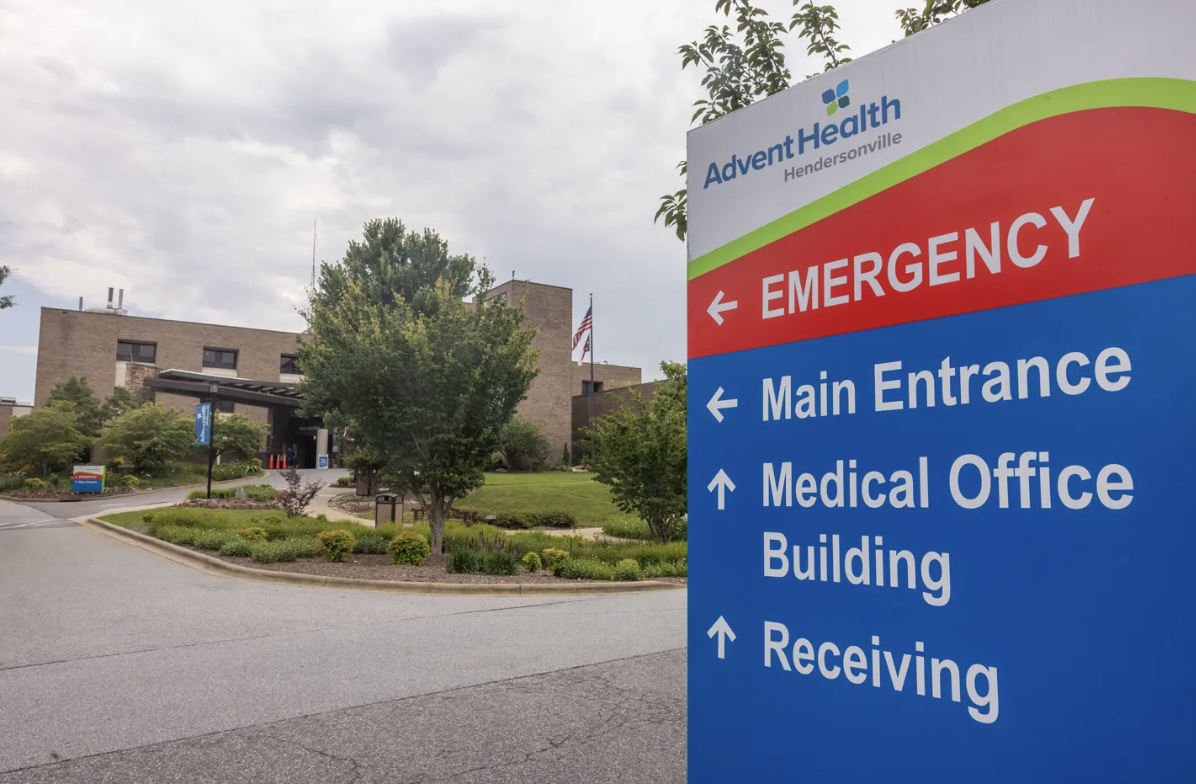
My husband and I arrived at the hospital at 5:30 AM on a Thursday morning to check in for my 7:30 AM surgery. I had been preparing for this day for four months, diligently doing the prescribed “prehabilitation” exercises to ease my symptoms and strengthen my core. I had also begun to gradually scale back my volunteer responsibilities, so that a full stop of activities after surgery wouldn’t be such a shock to my system.
Although the surgeons - yes, I had not one but two surgeons, plus a robot - had suggested that I might be able to go home on the same day as my surgery, I ended up spending a night in the hospital, something I had not done since I gave birth to my son many moons ago. “I keep tipping over,” I groggily told the surgeon who attempted to get me out of bed to walk. “We’re going to admit you,” she replied, much to my great relief. I immediately slumped back on my pillow and returned to a state of unconsciousness.
After I returned home, I sought to follow my surgeons’ discharge instructions to the letter. Resting. No lifting anything heavier than 10 pounds. No driving until I felt confident I could slam on the brakes without experiencing pain. Ironically, pain did not prove to be the problem. Fatigue did.
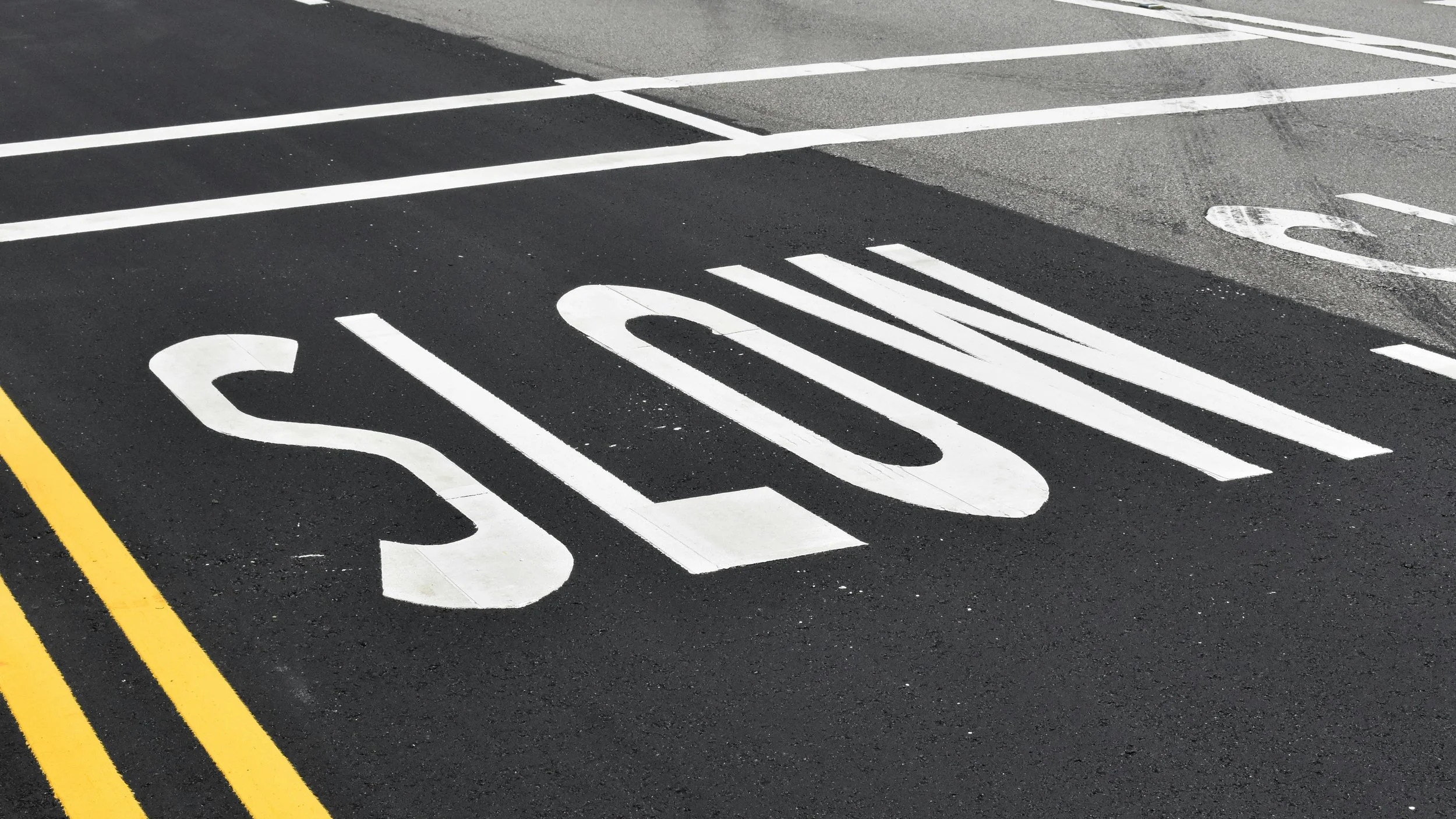
My calendar had been cleared in advance. I had nowhere to go. No one expected anything of me. Friends delivered meals. My husband created an environment where I could focus solely on my recovery. Going slow was the order of each and every day.
For the first two weeks post-surgery, I didn’t really mind going slow. I was too tired to go any other speed. But after my first post-op visit, when the doctor advised me that walking more would (counterintuitively) help me feel less fatigued, my mind became antsy, even as my body continued to demand rest. (For the record, walking more did not lessen my fatigue, but I did it anyway.)
During my third week of recovery, I realized I needed to change my mindset. Instead of fighting the fatigue, I decided to embrace it. I would view fatigue as a gift that forced me to go slow, giving my body the time it needed to fully recovery.

Photo by Brett Jordan on Unsplash
A week before surgery, my spiritual director had encouraged me to make good use of this time of mandatory rest and ponder what I wanted the next season of my life to look like. I accepted her invitation by creating a diagram of my existing responsibilities, noting how much time I was spending every month to carry out each task. I had temporarily laid down all these things in service of my health. Did I want to pick them all back up after recovery?
This contemplative exercise proved to be fruitful. With two weeks remaining of “active” recovery (i.e. limited activity), and likely a month or more before I begin to truly feel like myself again, I have a much clearer sense of what I would like the rest of the year to look like. I know what I won’t be picking up again. I know which activities I will scale back. I know where I desire to focus my energy and creativity. I know the choices I must make to create more space to care for my body, mind, and spirit while I simultaneously care for others.
I certainly haven’t mastered the art of going slow, but I am improving - slowly but surely. For everything there is a season, and this is my season for going slow.