Cups and Spades
In the fall of 1991, I traveled to Scotland with a mission team from Nashville to serve with several Baptist churches in Dundee. After that memorable experience, my delightful host for the week mailed me a book she thought I would enjoy reading: The Sacred Diary of Adrian Plass, Aged 37 3/4. I was not acquainted with this British author, but my new friend was right: Adrian Plass’s witty spiritual insights in this gently satirical novel about an aspiring Christian writer and speaker were right up my alley.
Over the next few years, I began to collect as many of Adrian’s books as I could find - fiction and non-fiction. In those pre-Amazon days, this pursuit was challenging, but eventually I acquired 17 titles - a record for any author in my library.
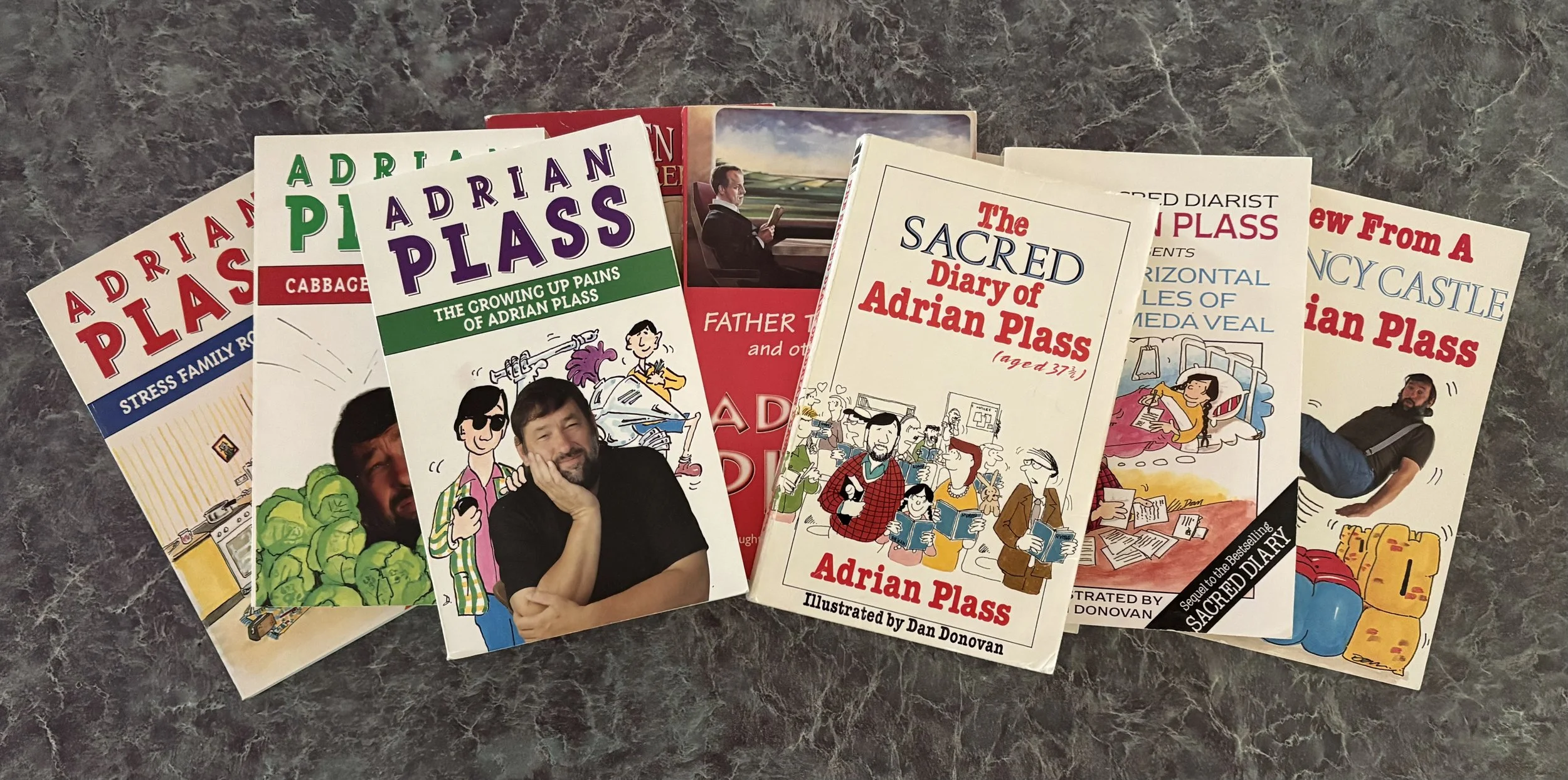
A sample of books from my extensive Adrian Plass collection
A powerful image Plass shared in one of his books still regularly comes to mind, decades after I first read the story. Having experienced several synchronistic moments at church last Sunday, I felt compelled to relocate the text. I found the lines in the autobiographical paperback The Growing Up Pains of Adrian Plass.
Recounting a troubled period in his life marked by “manic highs and miserable lows,” Plass recalls an image that came to him unbidden during worship one Sunday. A large lake surrounded by plots of land. Each lakeside plot occupied by one person. A second row of landlocked plots, each occupied by one person. Two types of lakeside dwellers: cup-carriers and diggers.
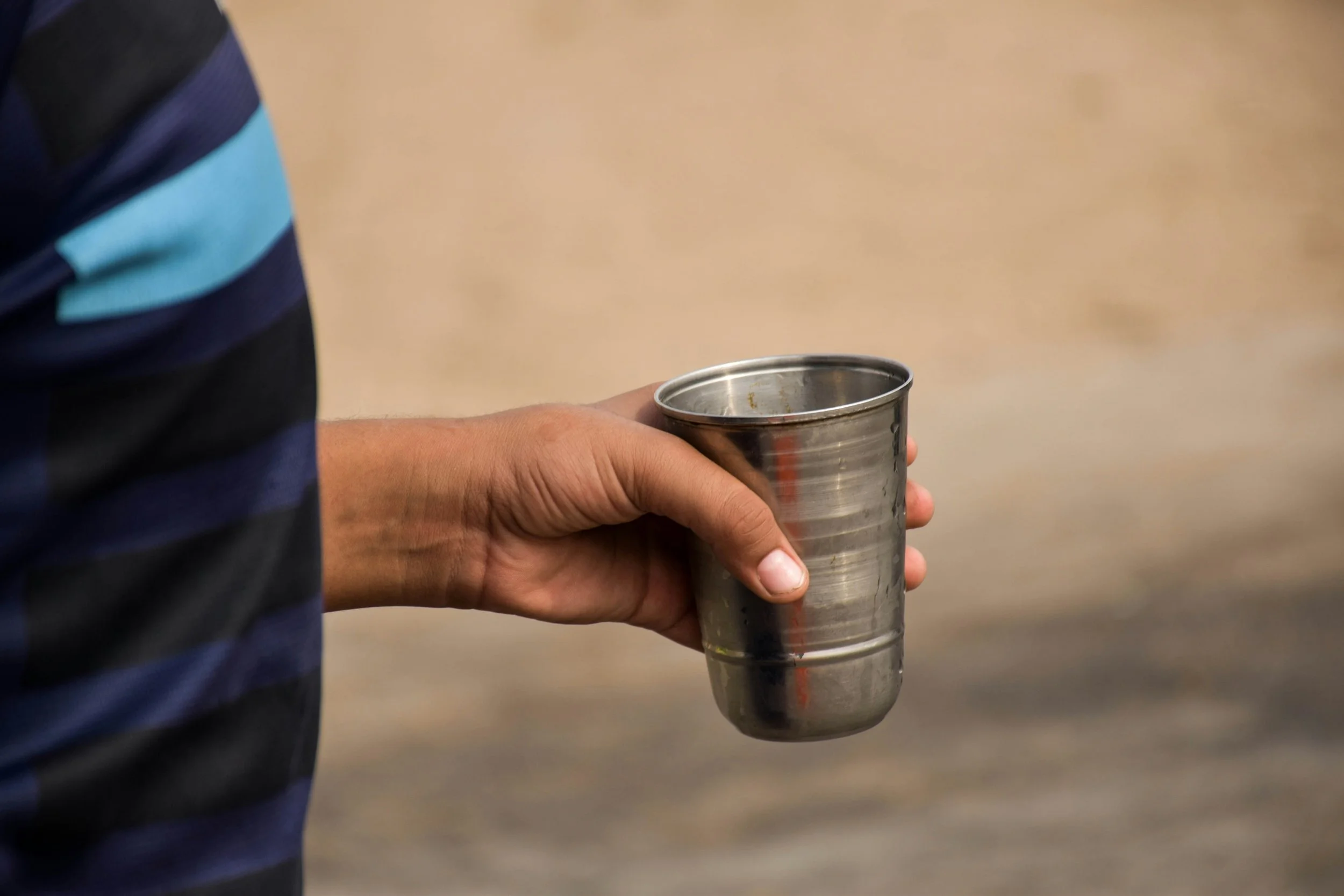
Photo by أخٌفيالله on Unsplash
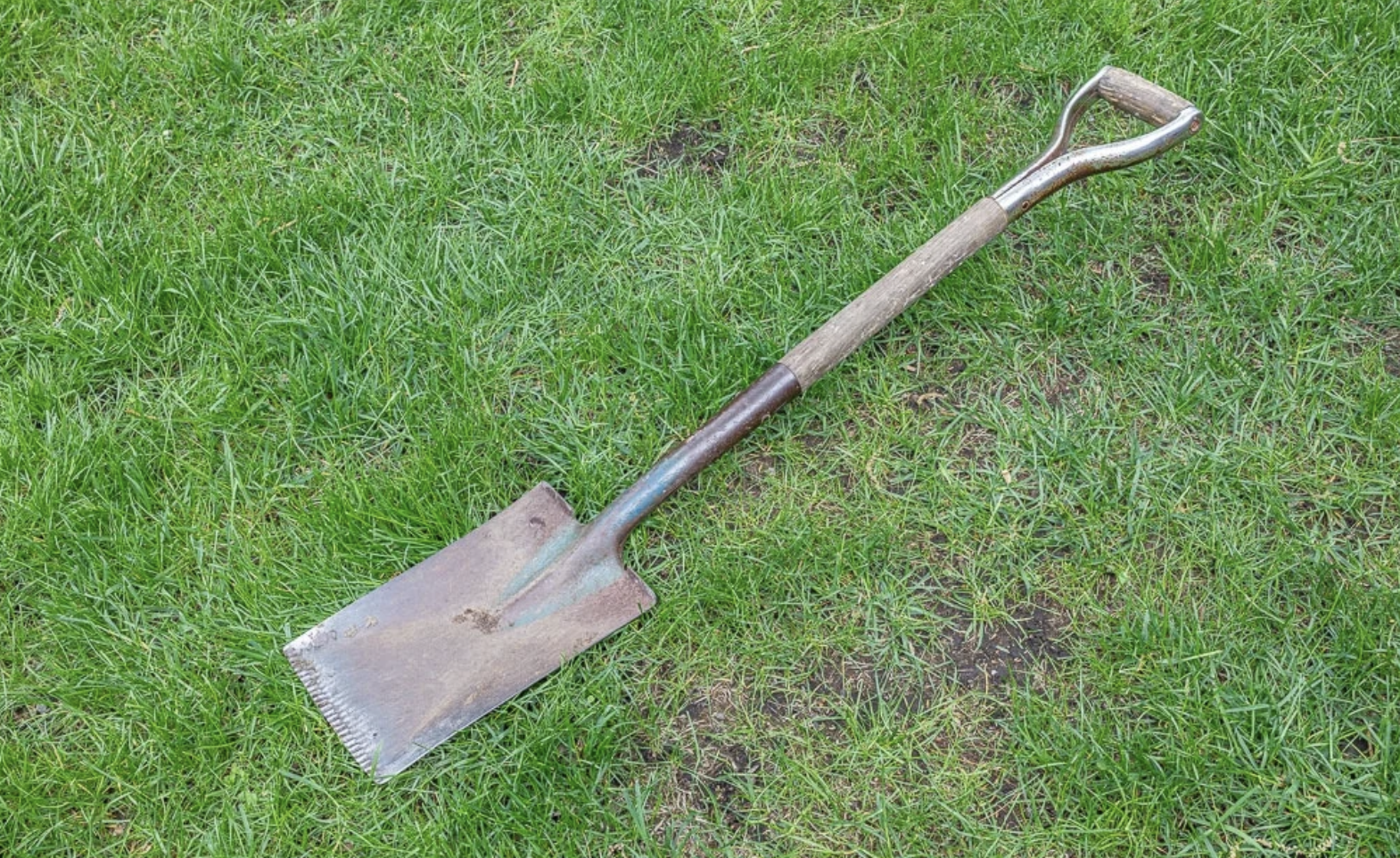
The cup-carriers repeatedly ran to the lake, filled their cups, and hurriedly delivered the water to their landlocked neighbors, spilling some of the valuable resource in their frantic rush to be helpful. Meanwhile, the diggers worked methodically with their spades on their plots of land. The cup-carriers became frustrated with the diggers, wondering why they weren’t doing more to help their thirsty neighbors. In a moment of confrontation, a cup-carrier accused a digger of being selfish: “Why don’t you follow our example, pick up a cup, and take water to your neighbor?” The spade-holder replied, “I’m digging a trench.”
A few years later at WMU Week at Ridgecrest, I heard Dr. Anne Davis paint a picture of a riverside scene that echoed the theme of the lakeside story of cup-carriers and diggers. Villagers heard cries for help coming from the river and rushed to investigate. Someone was being swept downstream by the current, on the verge of drowning. No sooner than they had pulled the nearly breathless individual from the water, they heard more screams: Another drowning person was heading their way. Once again, they mobilized for a rescue. Over the next few hours, the scene played on repeat, as villagers plucked more potential drowning victims from the water.
After a while, one woman abandoned the effort and began to run upstream, much to the chagrin of the other rescuers. “Where are you going?” someone shouted in frustration. Looking back over her shoulder, the woman replied, “To find out who is throwing them in the water in the first place.”
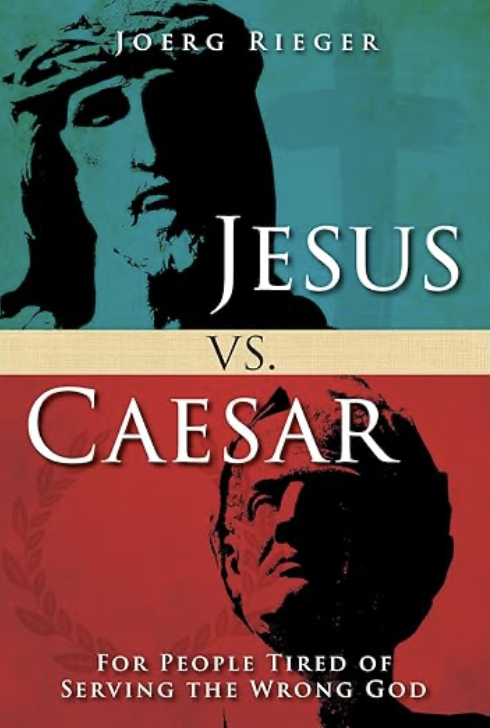
My Bible study group has been reading Joerg Rieger’s Jesus vs. Caesar: For People Tired of Serving the Wrong God. During our discussion last Sunday, we talked about the ongoing challenge of knowing what is ours to do when there are so many unmet needs in the world, so many threats to the vulnerable, so many lies to be countered.
Do we focus our energy on alleviating suffering by meeting immediate needs? Do we look for ways to affect systemic changes that might prevent or reduce suffering in the first place? Do we pick up a cup or a spade? How can we heed Jesus’ admonition to care for the least of these during these difficult days?
I continued to ponder these questions as I sat in the choir loft an hour later. In his Ascension Sunday sermon “The Grand Pause,” our pastor observed that during his earthly ministry, Jesus could only be in one place at one time. Jesus was constantly being pulled in multiple directions - the needs of the world then, like now, were great. But Jesus did not attempt to solve every problem. He did not heal every hurting person. He did not feed every hungry person. He did not meet every need. Why do we feel we are expected to do something Jesus could not do?
Cups or spades? I don’t believe there is an either-or answer to this conundrum. The world requires cup-carriers and diggers. In some situations you may feel prompted by the Spirit to pick up a cup; in others, you may feel called to grab a spade. Your time may be split between the two: You volunteer in the food pantry to feed your hungry neighbors while also advocating for systemic changes to counter the devastating cuts in SNAP funding.
As I reimagine the lakeside scene with the cup-carriers and diggers, I picture a few plots of land set aside for rest. Whether you are ferrying water to thirsty neighbors or digging trenches to enable water to flow freely in the future, you will need to take time to rest. Jesus retreated from the crowds to rest and pray, and he invites us to do the same. You will have a better sense of whether you need to grab a cup or a spade if you reserve some time for reflection and restoration.

Photo by HisArt Photos on Unsplash
Whether you find yourself standing beside a lake or a river, may the Spirit of God grant you wisdom and strength for the living of these days.