Wind, Mist, and Lint
In 1966, a young caver named Randy Tufts began making regular trips to the Whetstones, a mountain range southeast of Tucson, where Tufts hoped he might discover an unexplored cave. While the limestone rock and sinkholes in the area indicated the existence of a cave was likely, Tufts made a dozen disappointing trips to the area without finding what he was looking for.
Eight years later, Tufts returned to a sinkhole he had previously dismissed as a dry hole unworthy of further exploration. This time he spied an opening on the adjacent hillside, causing him to wonder if a cave passage might connect the two openings.
Tufts returned the following weekend with his caving buddy, Gary Tenen. Once inside the small chamber, the two men noticed something. A breeze was coming from a crack in the rocks – the breath of a cave. The men squeezed through the crack into a larger chamber and progressed through a crawl space to a second small room where they found a crawlway at floor level - a mere ten inches high and two feet across.
The breeze was stronger now, and the men were confident something special awaited them beyond the crawlway. Using a sledgehammer, they chipped away at the limestone, enlarging the hole to the size of a wire coat hanger.
Tenen, at 5’ 7” and 130 pounds, traversed the narrow passage first. Tufts, who carried an additional 40 pounds on his 6-foot frame, had to remove his shirt and exhale to pass through the opening. The hallway beyond the crawlspace led them to a spectacular chamber filled with stalactites, soda straws, and helictites. Tenen and Tufts had discovered an untouched, living cave.
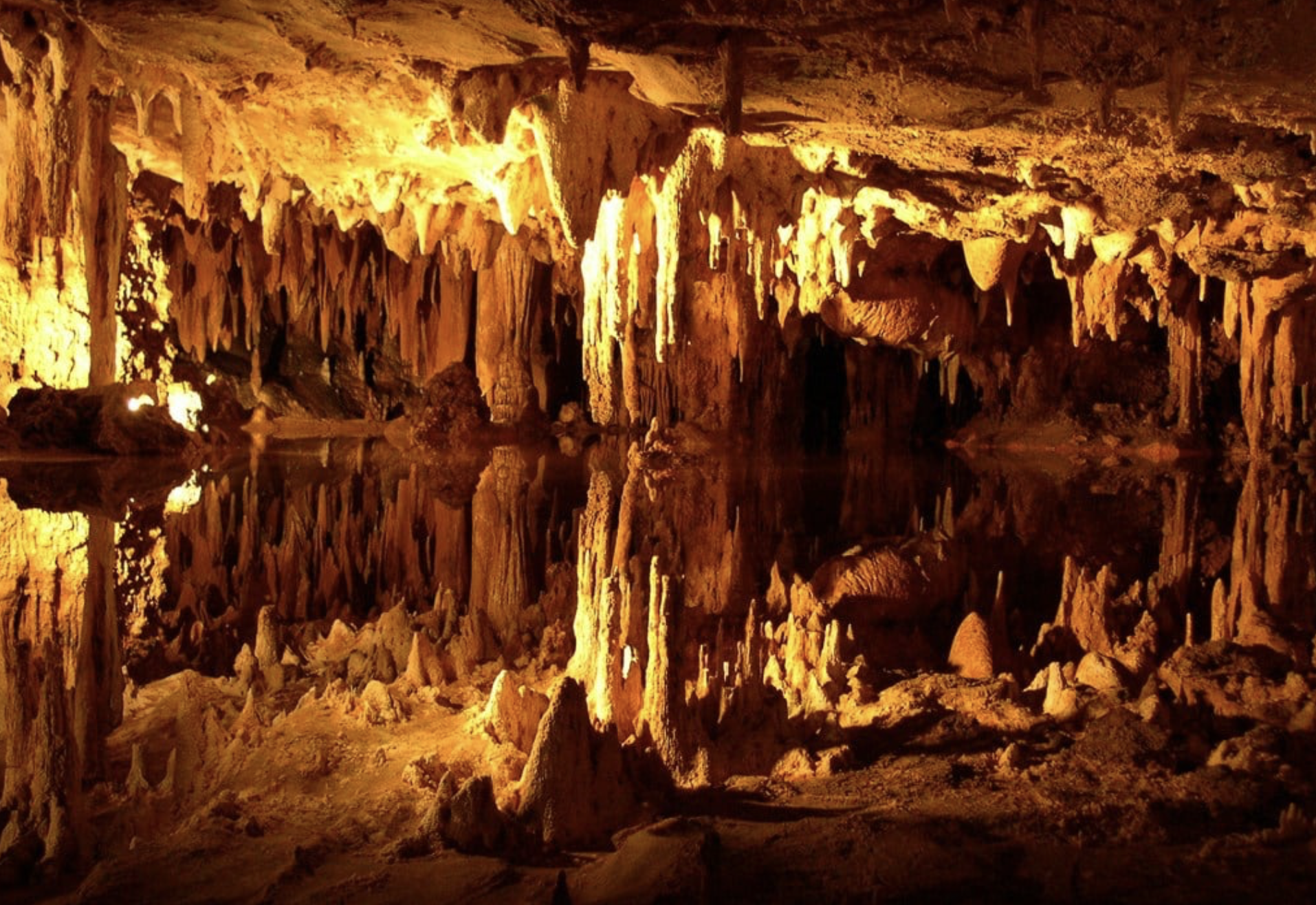
The cavers vowed to do everything in their power to protect this natural wonder. For four years, the two friends secretly explored and mapped the subterranean rooms and passageways. Eventually, they embraced the paradoxical notion that the best way to protect the cave was to develop it into a commercial attraction.
The pair approached the landowners, the Kartchners, and convinced them that the cave was a treasure worth preserving. Since the family could not afford to develop the property, Tufts and Tenen suggested that the state might be interested in purchasing the site to create a park. Soon Arizona Governor Bruce Babbitt, former U.S. Secretary of the Interior, joined the small, secretive circle of advocates, eager to help with the daunting task of guiding this project through the legislative process.
After three more years, two more governors, and two more state parks directors, the dream finally became a reality. The veil of secrecy had held up remarkably well. Until the day of the final vote on April 27, 1988, only six legislators knew that the piece of legislation under consideration actually authorized the state to buy the cave that today is called Kartchner Caverns State Park.[i]
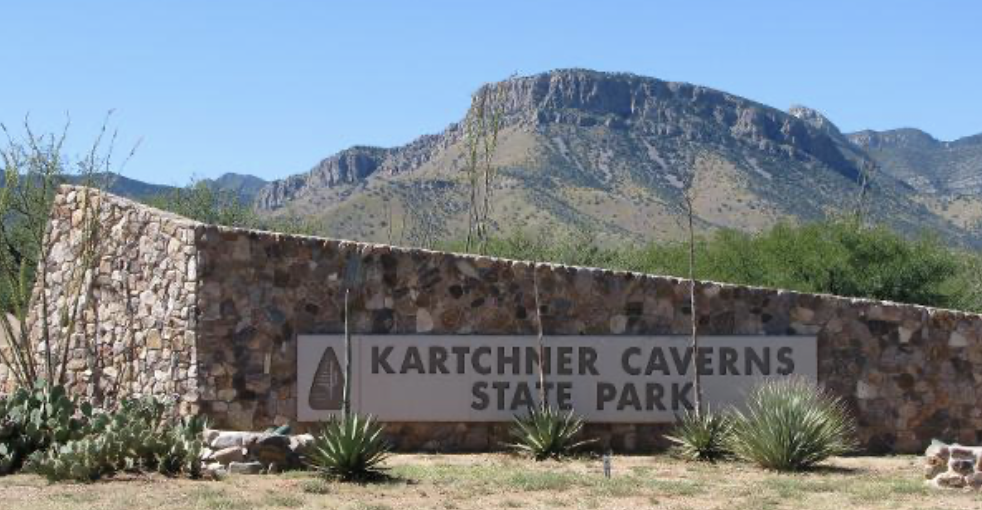
Extraordinary precautions were taken to minimize the impact of development. Because Kartchner is a wet or live cave – one where the calcite formations are still growing – it was imperative that the dry desert air above ground not be introduced into the humid cave environment; otherwise, the cave would quickly die.
When my family visited Kartchner Caverns in the summer of 2002, we experienced firsthand some of the safeguards that have been put in place to protect the cave. The airlock doors and misting system at the cave’s entrance preserve the cave’s 99% average relative humidity and tamp down airborne dust, hair, and lint that could negatively impact the spectacular limestone formations. The state park also hosts Lint Camps, volunteer events where participants brush fabric fibers and human skin cells off cave rocks. Because of these conservation practices, Kartchner Caverns remains a near-pristine, living cave.
Even though 24 years have passed since I walked through those airlock doors and felt the cool mist on my skin, I often think about my experience at Kartchner Caverns State Park. While leading a Spirituality in Recovery group through the Ignatian Examen last week, the memory of that misting system suddenly (and surprisingly) came to mind. What did that spiritual practice have to do with a long ago vacation visit to a cave?
I had guided the group to contemplate moments of consolation and desolation. Over the past few days, when had they experienced inward movement toward God - consolation? When had they sensed they were moving away from God - desolation? When had they felt energized - consolation? When had their energy been depleted - desolation?
As I continued to ponder my own recent experiences of consolation and desolation as I drove home, the imagery of the misting system began to make more sense. I began to wonder if I was clinging to attitudes or actions that needed to be brushed off or tamped down in order for me to protect and nurture my interior life. How could I go deeper to the inner place where the wind of the Spirit blows freely?
Who would have thought that pondering lint could yield spiritual fruit?
[i]Kartchner Caverns State Park: Nature’s Underground Wonderland (Arizona: Department of Transportation, 1998).